Loading...


Jewellery Cleaning
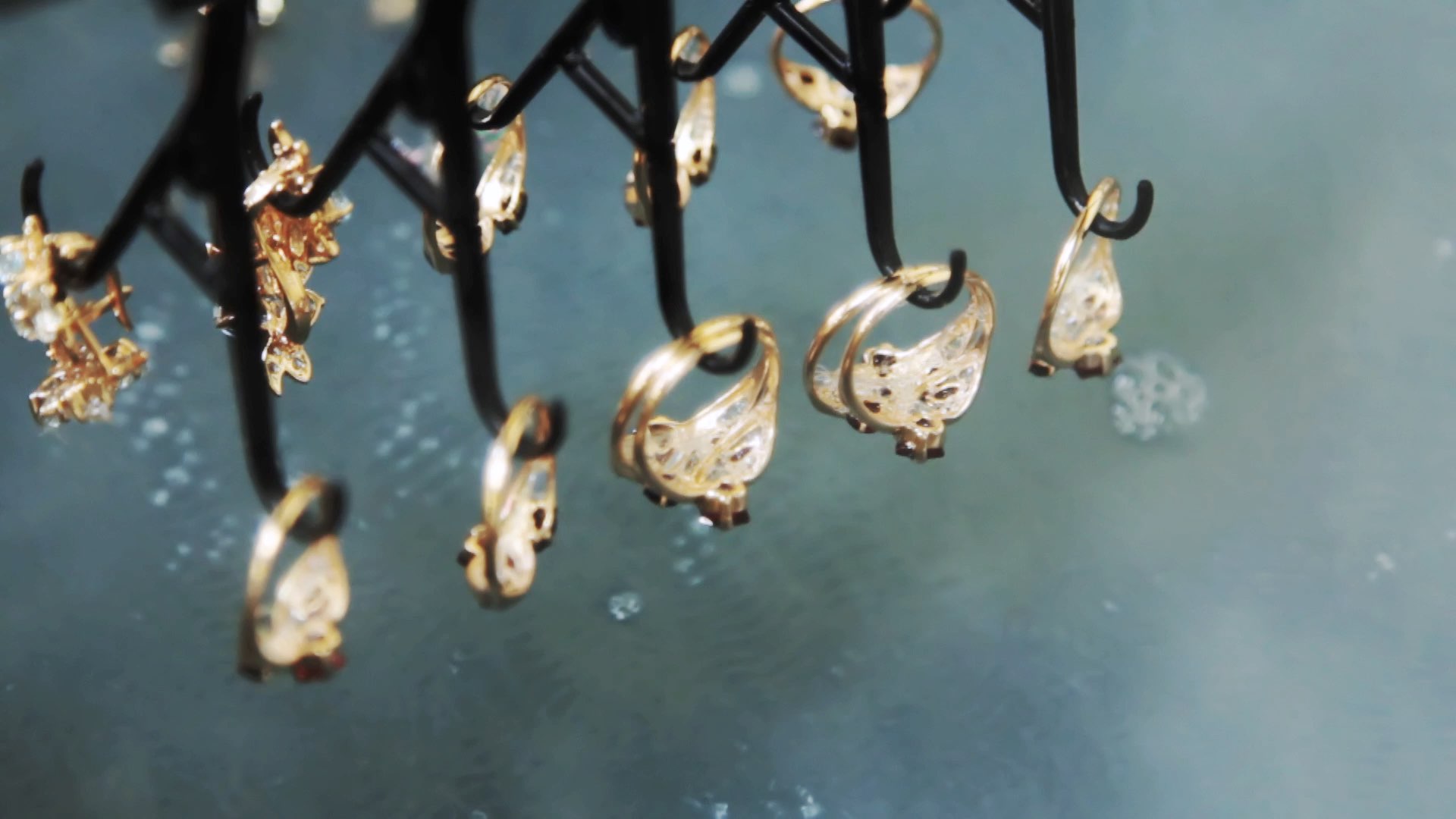
An ultrasonic jewellery cleaner works by using high-frequency sound waves to create microscopic bubbles in a cleaning solution, a process known as cavitation. Here's how it works step-by-step:
1. The Ultrasonic Transducer Generates Sound Waves
• Inside the cleaner, a component called a transducer converts electrical energy into high-frequency sound waves (typically 20–40 kHz).
• These sound waves are transmitted through the cleaning liquid, usually water with a mild detergent or specialised solution.
2. Cavitation Happens
• The sound waves cause the liquid to form microscopic bubbles that rapidly grow and collapse.
• This collapse generates tiny, high-energy shockwaves.
3. Dirt and Contaminants Are Dislodged
• The energy released from these collapsing bubbles gently removes dirt, grime, oils, and other contaminants from even the tiniest crevices of jewellery.
• It can clean areas that are nearly impossible to reach with a brush or cloth.
4. The Jewellery Is Rinsed and Dried
• After the cycle (usually a few minutes), the jewellery is removed, rinsed with clean water, and dried.
• The result is a thorough, non-abrasive clean that restores shine and brilliance.
Advantages:
Gentle on delicate items (if used correctly).
Highly effective at cleaning intricate and hard-to-reach areas.
Fast and efficient.
Considerations:
Not all materials are safe—porous stones (e.g., opals, emeralds, pearls) and some treated gems can be damaged.
Always check the manufacturer’s guidelines for each piece before using an ultrasonic cleaner.
Please Note - Jewellery NOT Safe for Ultrasonic Cleaning
Soft, Porous, or Treated Gemstones - These can be damaged or lose their finish:
Opals (can crack)
Emeralds (often fracture-filled)
Pearls (porous and delicate)
Turquoise
Lapis Lazuli
Coral
Amber
Heat-Treated or Coated Stones
Mystic topaz
Any dyed or foil-backed stones (e.g., rhinestones)
Other No-Gos
Jewellery with loose stones or fragile settings
Costume jewellery with glued-in stones (ultrasound can loosen glue)
Vintage or heirloom pieces (risk of damage or loosening settings)
When in doubt
Use a soft brush and mild soap instead.
Talk with us
Silver Tarnish
Silver tarnishes over time as it reacts with sulphur containing substances in the air, forming a compound called silver sulphide (Ag₂S). This reaction is what causes the surface of silver to darken or turn black over time.
Sources of sulphur:
Air pollution (especially near industrial areas)
Household items (like rubber bands, wool, latex, and some foods - eggs, onions, garlic)
Skin oils and sweat (which can contain sulphur compounds)
We recommend using a commercial silver polish with a soft cloth to remove the patina - although a lot of clients prefer the "aged" look.


Telephone & Text 07703 697983
studio@abbevilleau.com


Registered in England 16310193
AbbevilleAU is the trading style of CAVU Design Ltd
© 2026 - CAVU Design Ltd